Protein Structure and Function
Introduction:
Proteins are essential biological macromolecules responsible for catalysis, signaling, transport, and structural integrity. Their three-dimensional structure dictates function, from enzymatic activity to molecular recognition.
Primary, secondary, tertiary, quaternary structures: The primary structure is the linear sequence of amino acids, determined by the gene sequence. Secondary structures include alpha helices and beta sheets stabilized by hydrogen bonds. Tertiary structure refers to the overall 3D fold, influenced by hydrophobic interactions, disulfide bonds, and electrostatic forces. Quaternary structure involves multiple polypeptide chains assembling into functional units, like hemoglobin.
:max_bytes(150000):strip_icc()/protein-structure-373563_final11-5c81967f46e0fb00012c667d.png)

Active sites and functional domains: Active sites are specific regions where substrates bind and reactions occur, often involving key residues like in enzymes. Functional domains are modular units within proteins that perform distinct roles, such as DNA-binding or catalytic domains, allowing for evolutionary reuse.
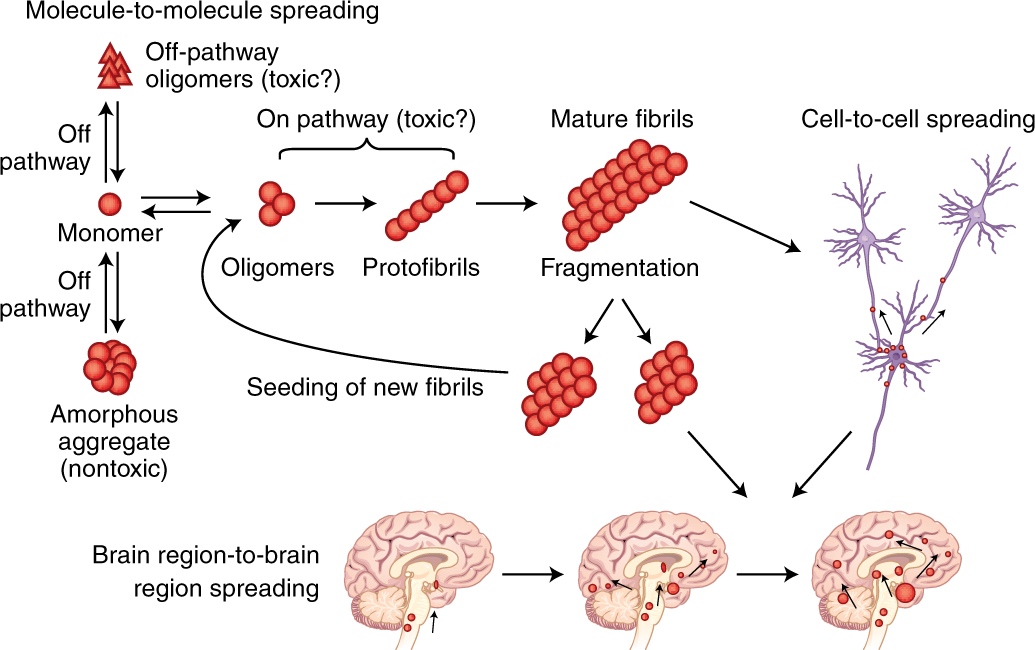
Protein folding and misfolding (disease relevance): Protein folding is guided by chaperones and energy landscapes to reach native states. Misfolding can lead to aggregates, as in Alzheimer's (amyloid plaques) or Parkinson's (alpha-synuclein), highlighting links to neurodegenerative diseases.
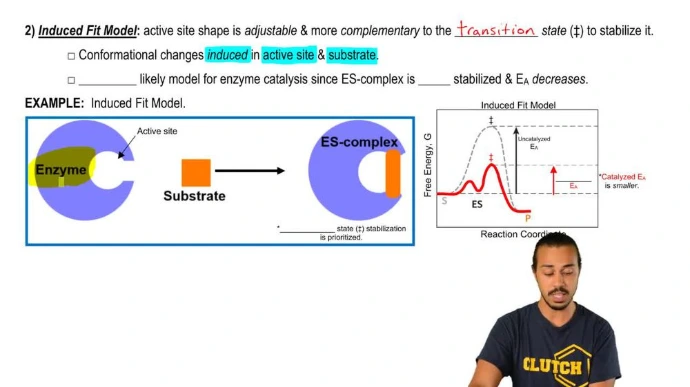
Protein-ligand interactions and binding specificity: Ligands bind via non-covalent interactions like van der Waals forces and hydrogen bonding. Specificity arises from complementary shapes and charges, enabling precise molecular recognition in processes like hormone signaling .

Post-translational modifications: These include phosphorylation, glycosylation, and ubiquitination, which alter protein activity, localization, or stability, playing crucial roles in cellular regulation and response to stimuli.
Conclusion
Understanding protein structure enables medcine design, therapeutic targeting, and synthetic biology innovations.