Introduction
The human genome, comprising approximately 3.1 billion base pairs of DNA, serves as the comprehensive blueprint for human biology, encoding not only protein-coding genes but also vast regulatory regions that orchestrate cellular processes. This intricate molecular code underpins everything from embryonic development to disease susceptibility, making its decoding pivotal for advancing precision medicine. Modern genomics platforms leverage high-throughput sequencing and computational tools to dissect this complexity, revealing how genetic variations influence phenotypic outcomes and enabling targeted interventions in healthcare
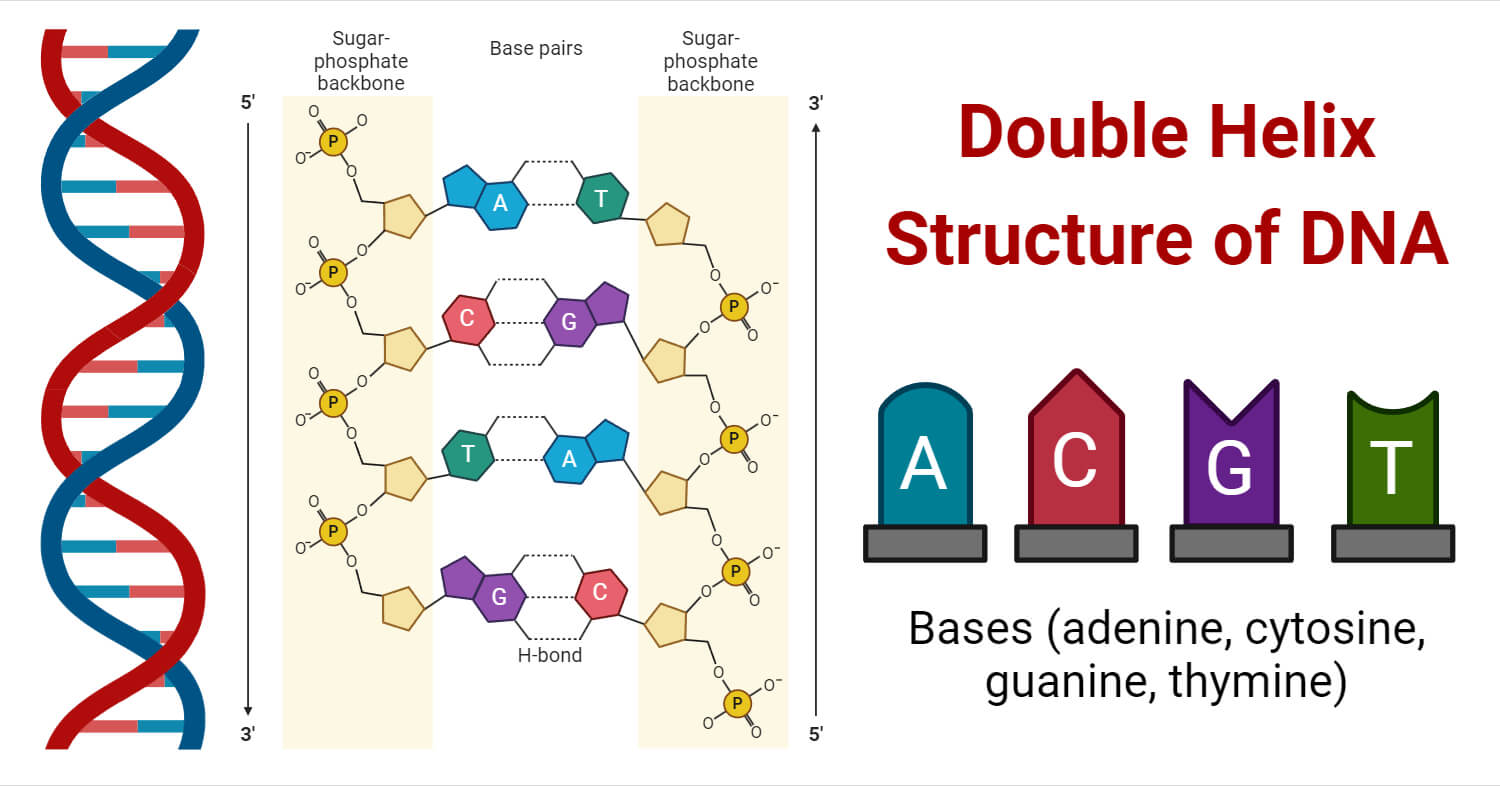
1. From Sequence to Structure
Sequencing technologies have dramatically evolved, enabling the generation of high-fidelity reference genomes for humans and diverse model organisms. These advancements facilitate precise mapping of genomic elements, including genes, exons, introns, and non-coding regulatory sequences that control expression patterns
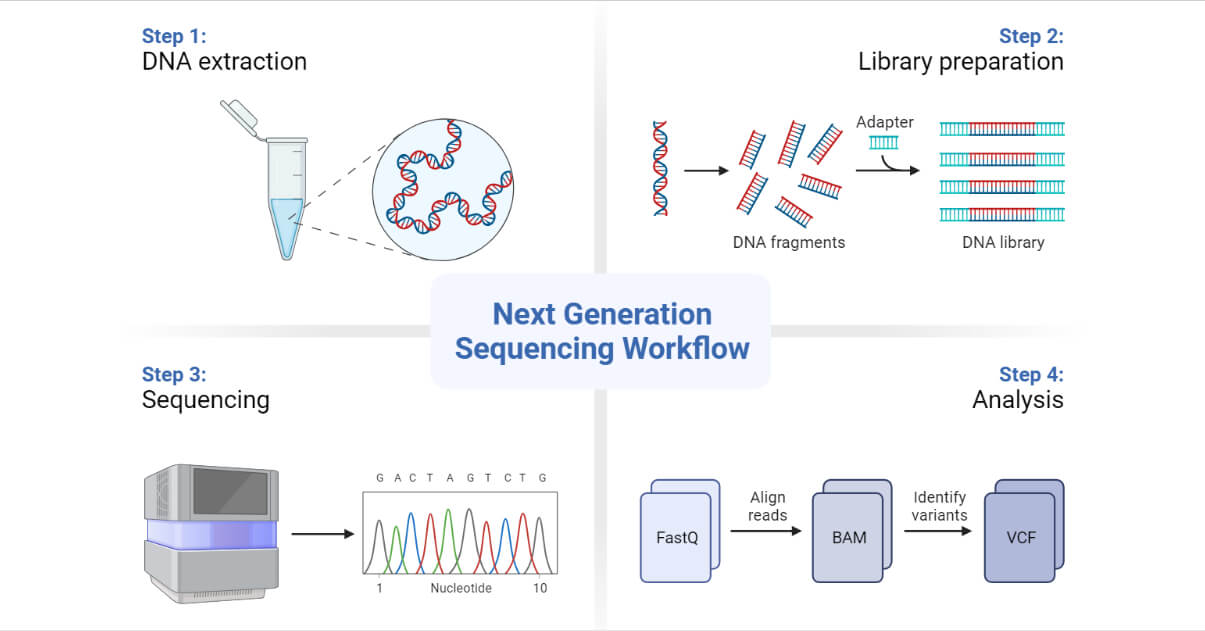
Next-Generation Sequencing (NGS)
sequencing-by-synthesis provide massive parallelization, yielding billions of short reads with high accuracy, ideal for variant detection and population genomics.
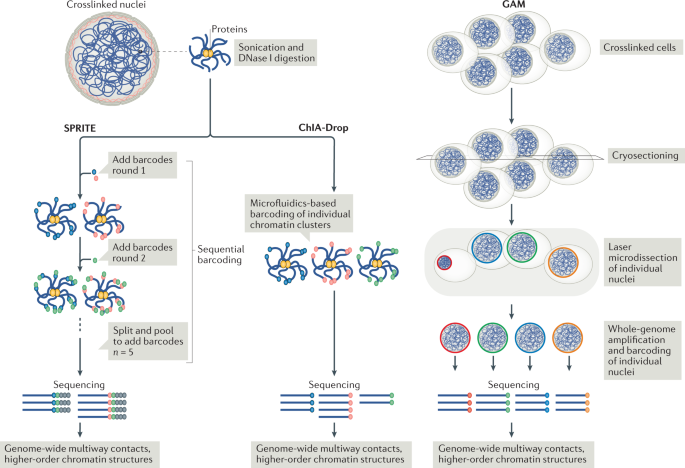
Chromatin Architecture
Techniques like Hi-C and ATAC-seq reveal how the genome folds in 3D, showing domains and enhancer-promoter loops that regulate genes and impact development and disease.
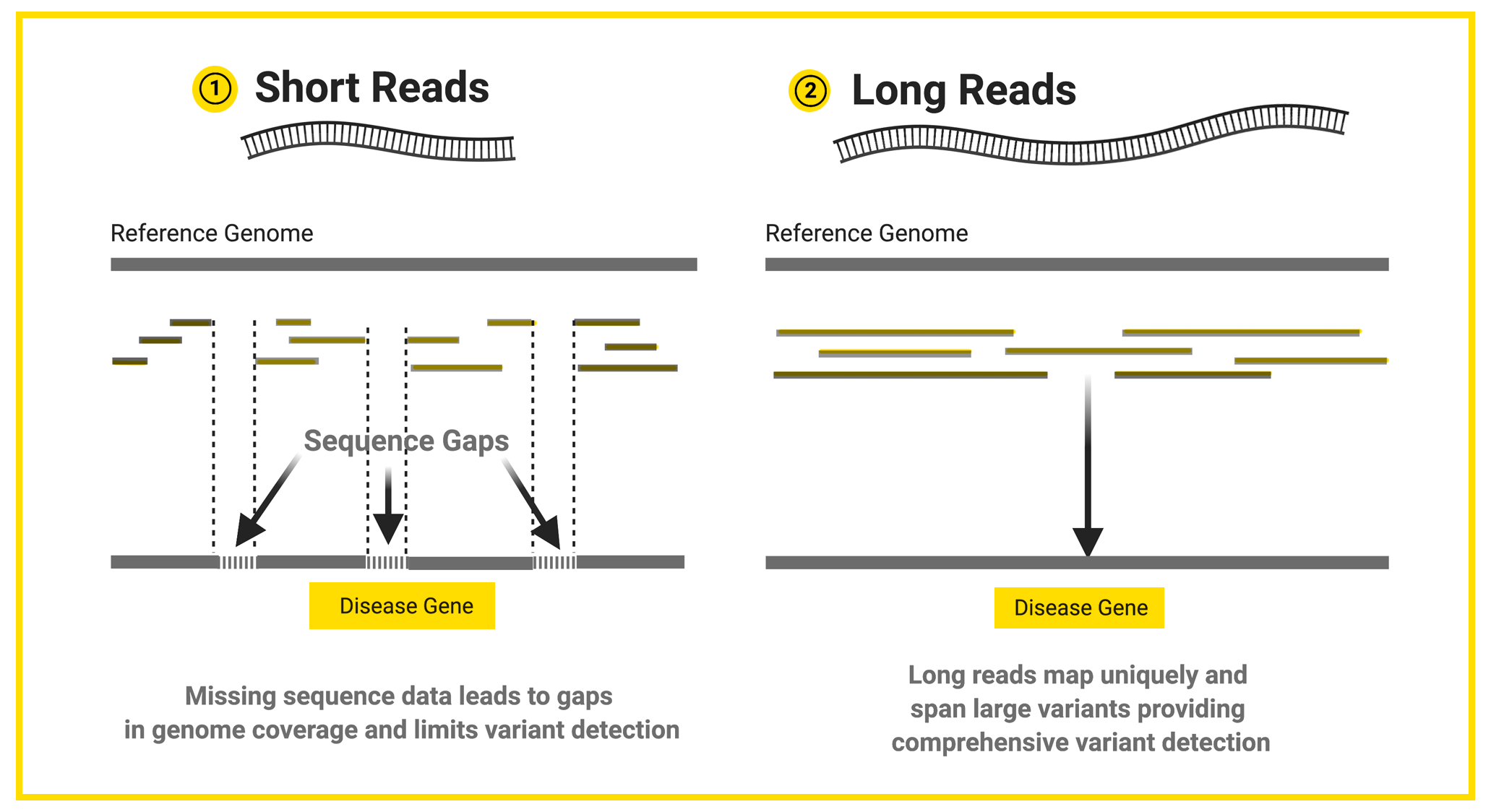
Long-Read Sequencing
Long-read technologies overcome the limitations of short reads by spanning repetitive regions and structural variants, producing contiguous assemblies that reveal complex genomic architectures such as tandem repeats and inversions.
2.Gene Function and Regulatory Networks
Genes do not function in isolation but within intricate regulatory networks modulated by cis- and trans-acting elements, including enhancers, promoters, transcription factors, and epigenetic marks that fine-tune expression without sequence alterations
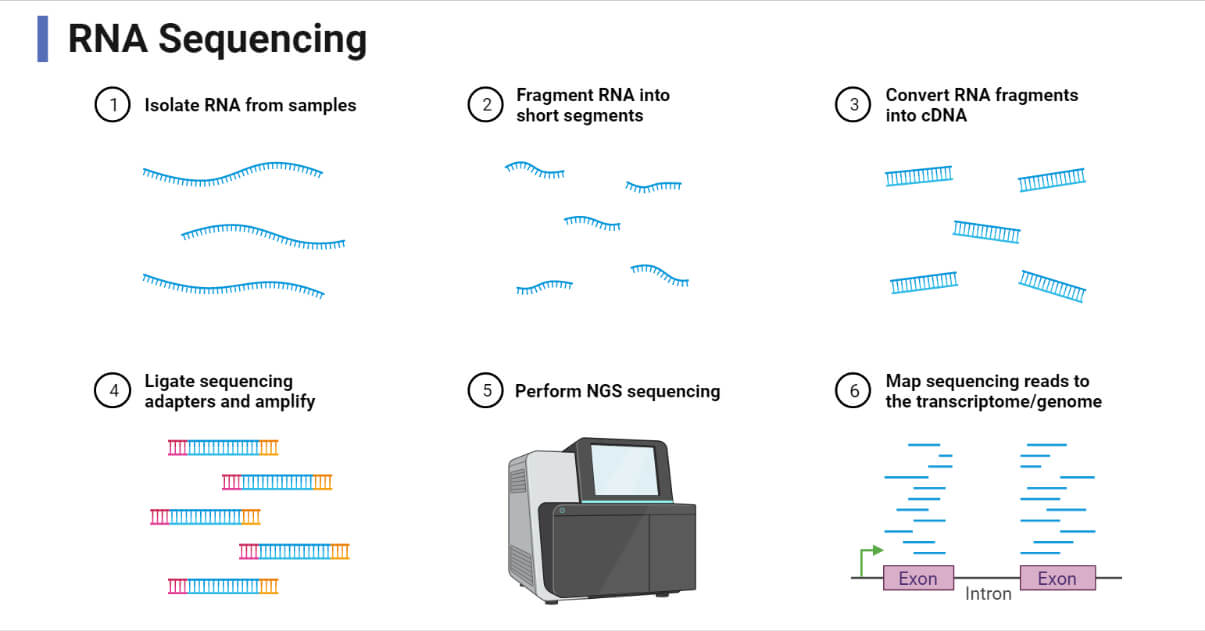
Transcriptomics
RNA-seq quantifies mRNA levels, alternative splicing, and non-coding RNAs, providing snapshots of active transcription and isoform diversity that reflect cellular responses.

Epigenomics
DNA methylation at CpG islands and histone modifications (e.g., H3K27ac for active enhancers) create heritable states that silence or activate genes, crucial for cell-type specificity and environmental adaptation.

Functional Genomics:
CRISPR-based editing and RNA interference systematically perturb genes, linking genotypes to phenotypes and validating regulatory interactions.
3. Comparative Genomics: Insights Across Species
Homolog Identification:
Orthologous genes shared across taxa indicate core biological functions, such as those in metabolism or immunity.
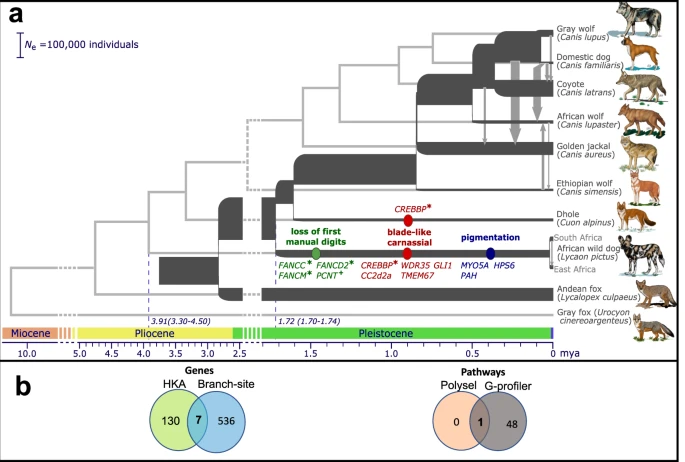
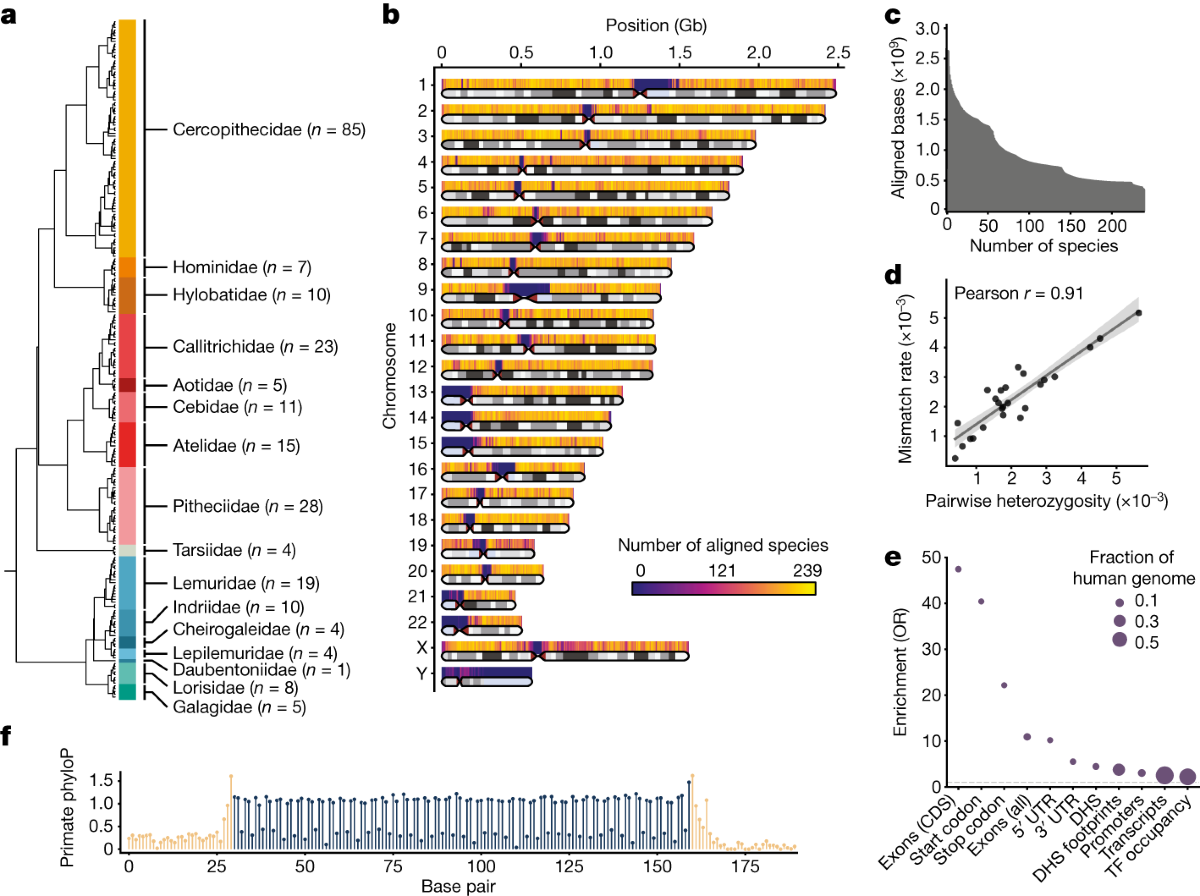
Evolutionary Constraints
Non-coding conserved elements often harbor enhancers, revealing regulatory evolution.
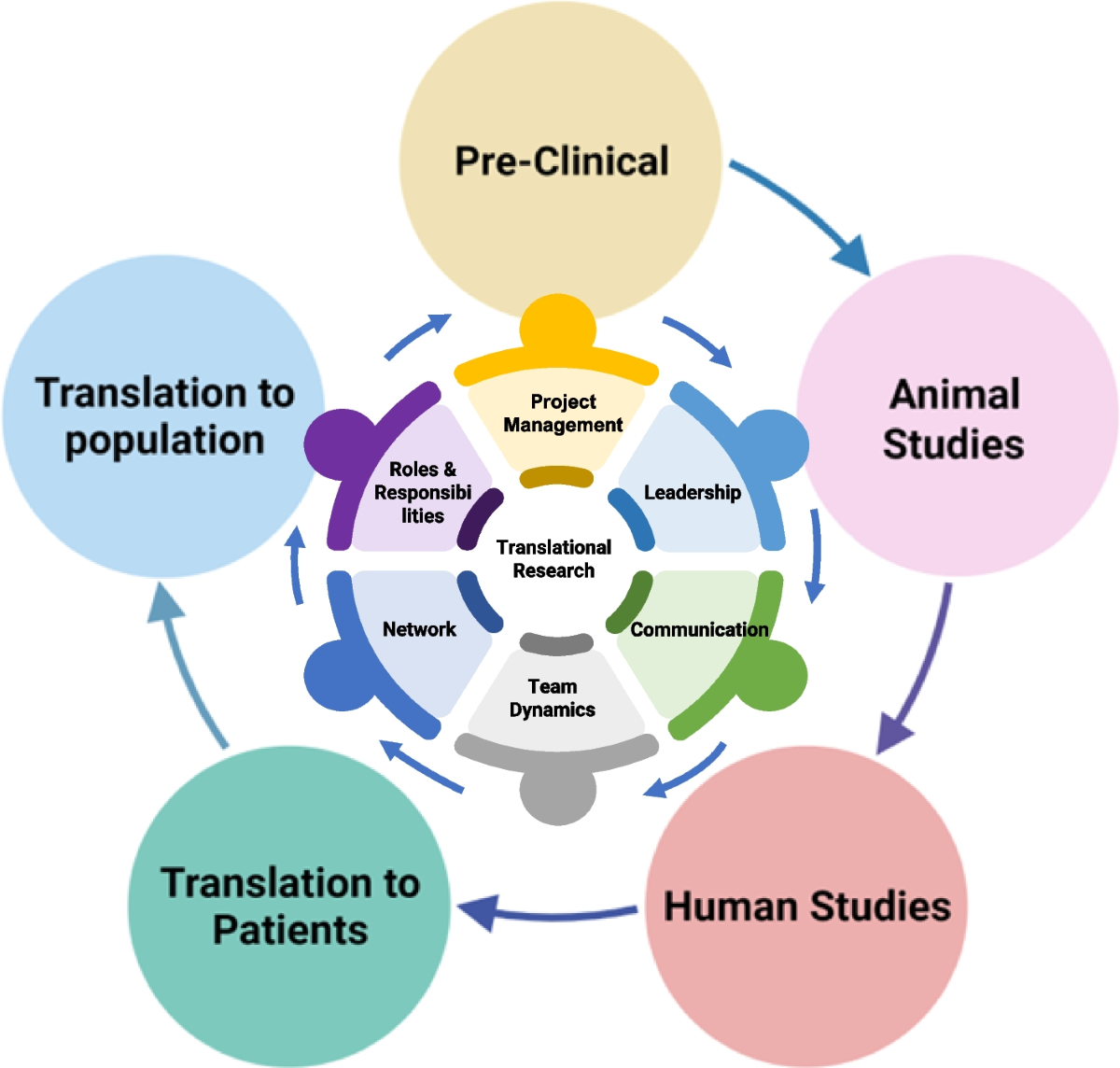
Translational Research
Model organism findings translate to human biology, accelerating drug discovery.
4.Genomics in Medicine and Biotechnology
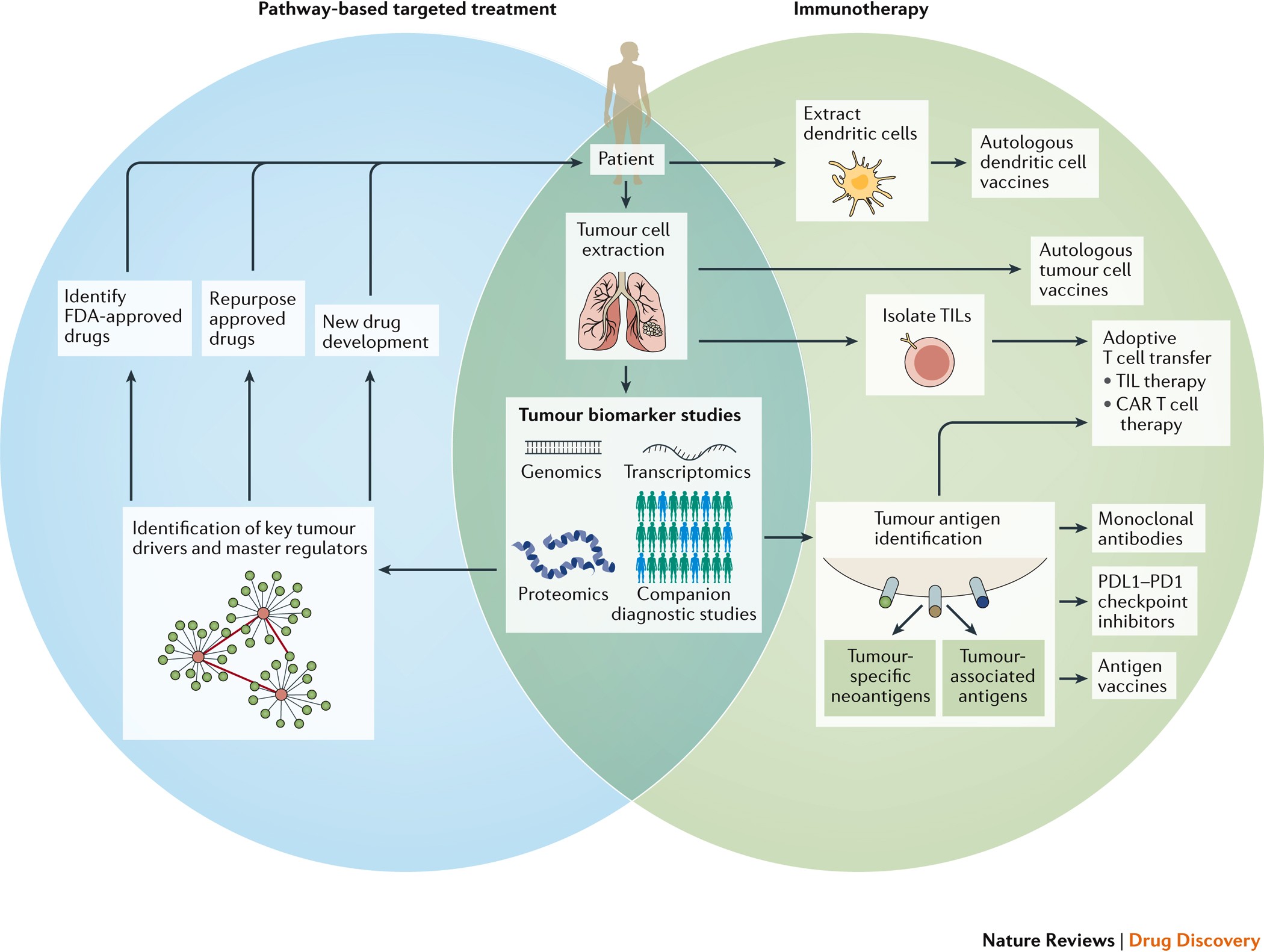
Genomics integrates into healthcare, personalizing treatments based on genetic profiles.
Precision Medicine:
Whole-genome sequencing identifies actionable variants for tailored therapies.
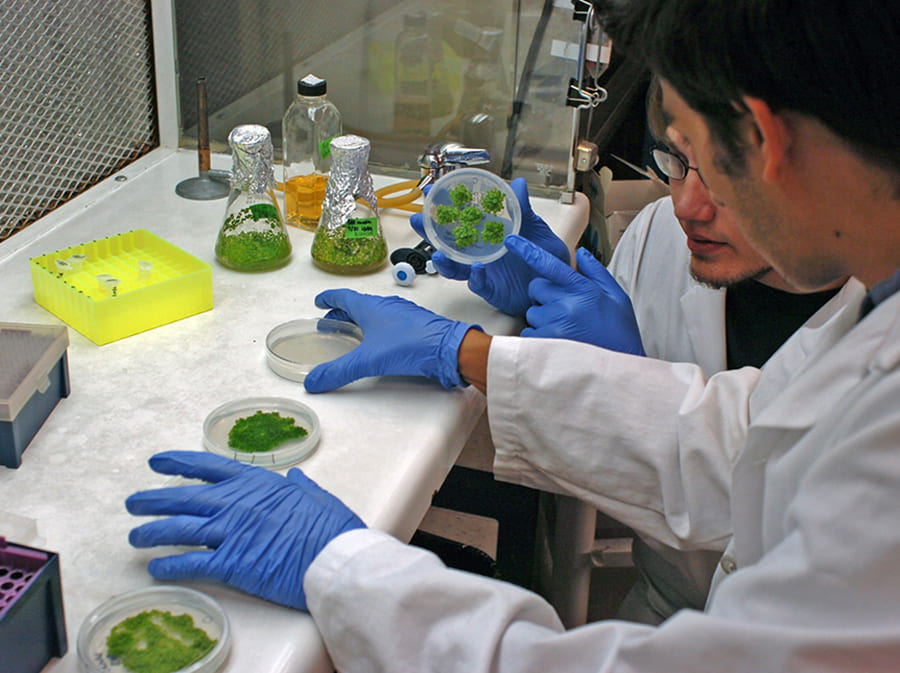
Synthetic Biology
CRISPR enables pathway engineering for biomanufacturing and therapeutics
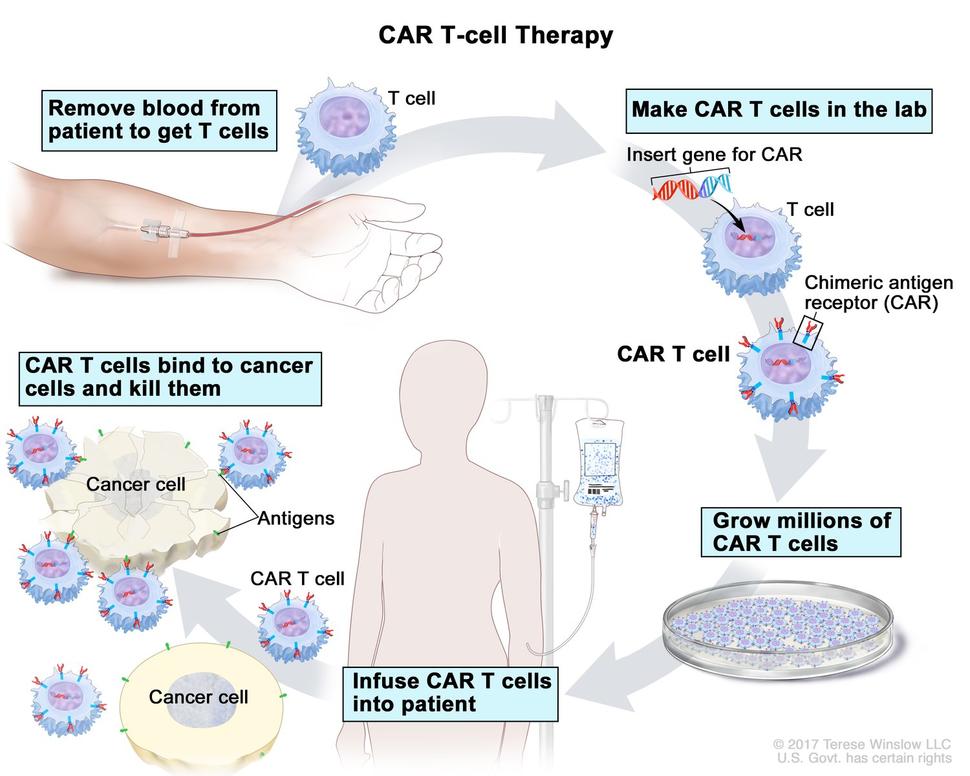
Immune Cell Targeting:
Genomic insights design CAR-T therapies for cancer.
5.Future Directions in Genomics
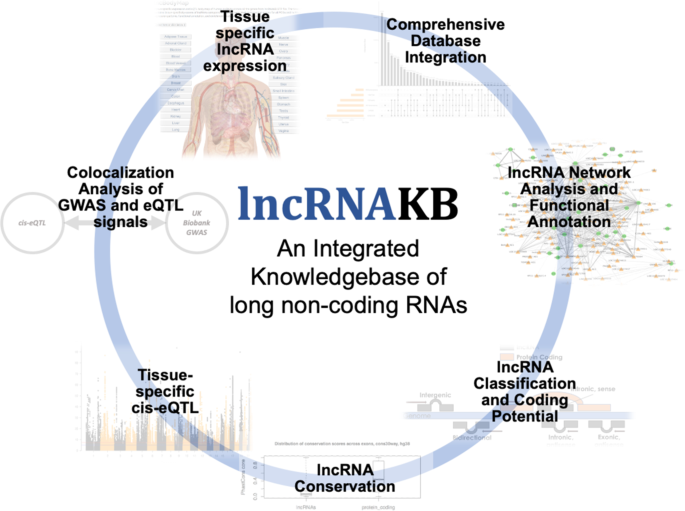
Non-Coding Annotation:
Expanding knowledge of lncRNAs and epigenetics.

AI-Assisted Interpretation:
Machine learning deciphers complex data, validated experimentally.
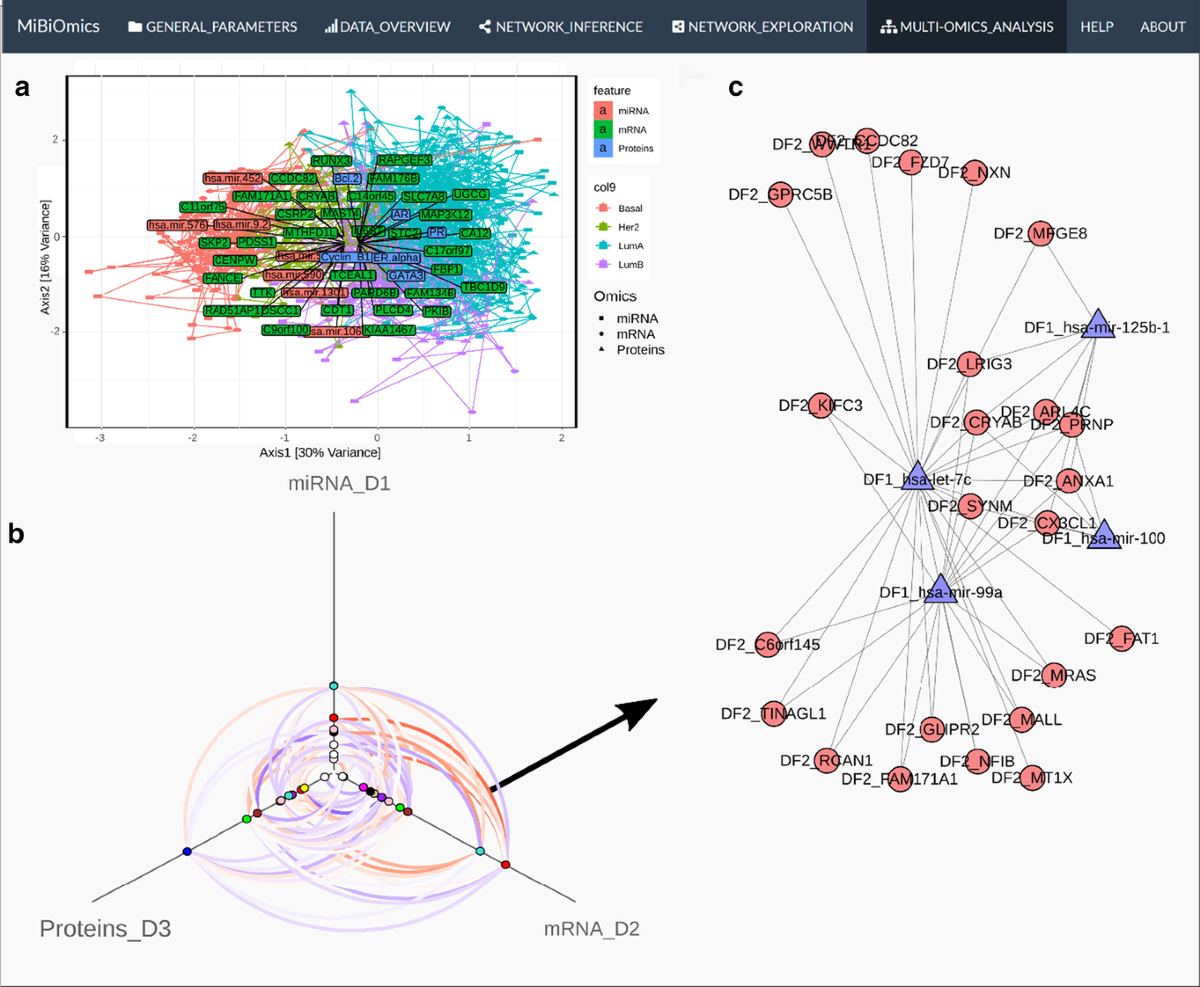
Multi-Omics Integration: Combining genomics, proteomics, and metabolomics for comprehensive insights.
6.Single-Cell and Spatial Genomics: Decoding Cellular Heterogeneity in Native Context
Single-cell omics resolves rare subpopulations and transitional states missed in bulk analyses, while spatial transcriptomics preserves tissue architecture to map gene expression gradients and cellular neighborhoods.
Conclusion
The genome evolves from a static code to a vibrant interactome, with platforms like BioStruct Explorer accelerating discoveries. Genomics heralds a new era in precision therapeutics.